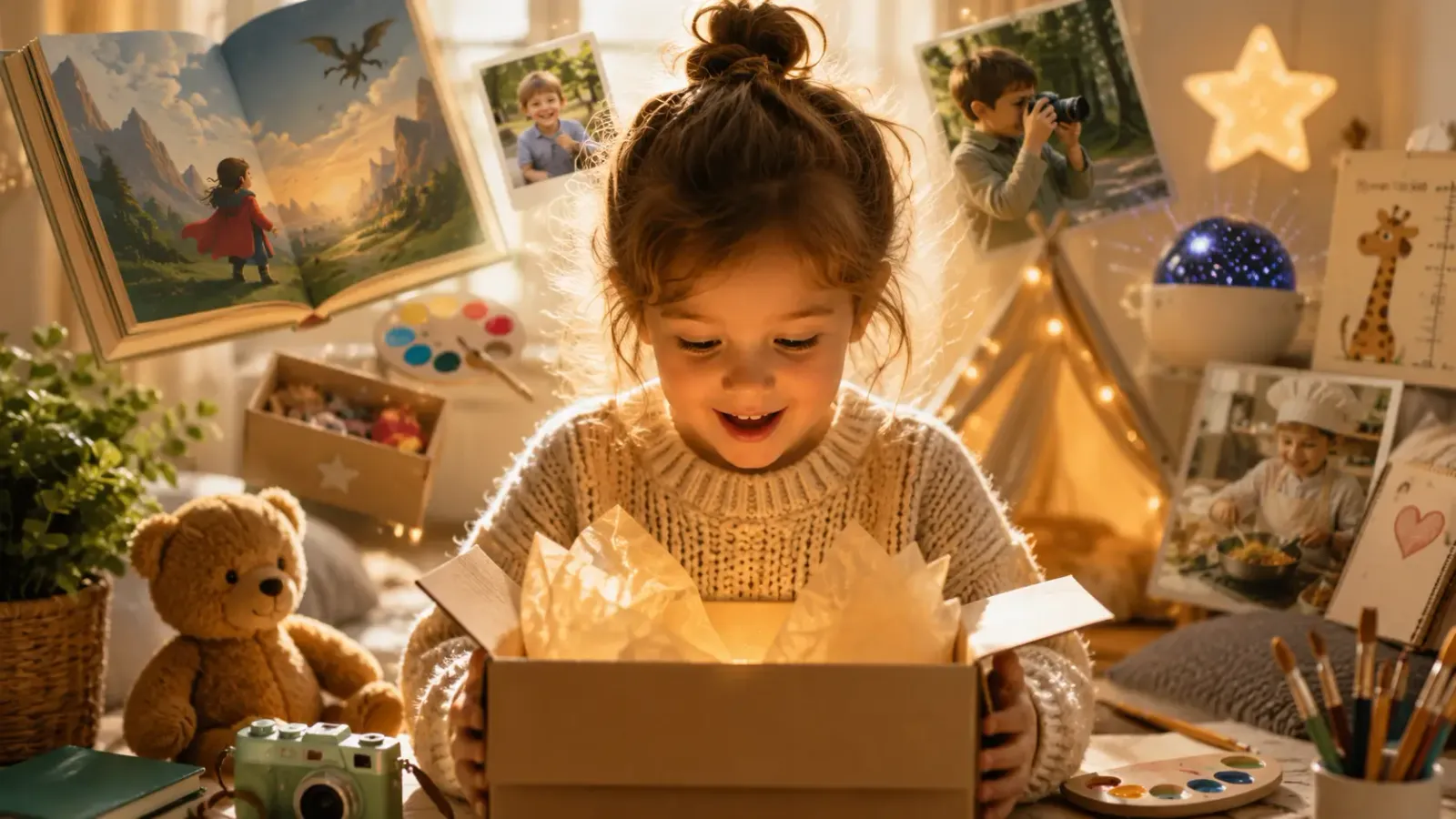
Reading aloud has long been one of the best ways to boost a child's language development. But how kids actually experience stories is shifting fast. Fairy tales used to be the go-to, yet these days more and more parents are turning to personalized children's books that put their own child front and center as the hero of the story.
Platforms like BooklyDoo blend technology, creativity, and education to turn reading into something more personal and engaging. So what's behind the fact that this approach works so well for language development?
Why early language development matters from the start
Children pick up language long before they ever set foot in a classroom. The groundwork is actually laid during those first few years of life, through everyday conversation, listening, and being read to—all of which help children build:
- vocabulary
- grammar,
- listening skills
- concentration,
- and comprehension skills.
When parents make reading aloud a regular habit, kids pick up thousands of additional words every week — and that kind of exposure pays off for years, shaping how well they do in school and how confidently they communicate.
Why Personalization Actually Matters
A run-of-the-mill story can still be enjoyable, but there's a special kind of magic when a child spots a piece of themselves in the pages — that recognition tends to hit far deeper.
When a child:
- hears its own name being called,
- sees themselves reflected in the illustrations
- or spots a pet it already knows,
becomes instantly more relevant.
That keeps kids engaged as they listen. They pay closer attention, ask more questions along the way, and hold on to new words more easily.
More back-and-forth with your child while reading aloud
When kids get personalized stories, they engage more actively—responding to what happens because they can picture themselves right there in the adventure.
For example:
- "That's me!"
- "My dog's in the story too!"
- "That would scare me too!"
That back-and-forth exchange matters enormously for language development. Kids build this skill through:
- naming feelings
- form sentences,
- understand stories,
- and forge connections.
Readers who push back keep you sharp
Loving books isn't something every kid picks up naturally. For some, reading just doesn't hold their interest, and their attention wanders before long.
A personalized book lowers that barrier. Reading no longer feels like an obligation—it feels like stepping into an adventure where they themselves take center stage.
That's what makes personalized books especially appealing for:
- young readers,
- children who struggle to concentrate,
- for children who otherwise show little interest in reading.
The place of imagination
Fantasy carries real weight in how children's minds develop. As kids lose themselves in a story:
- they exercise their imagination
- they develop the ability to work through problems on their own
- and build empathy along the way.
BooklyDoo taps into personal storytelling to give that imagination an extra boost. When a child gets to be the knight, the astronaut, or the explorer in the tale, the story simply hits different.
Digital reading versus print books
Kids these days grow up glued to screens. Sure, technology has its perks, but all those quick-cut, fast-moving videos don't do much for building a child's ability to focus over time.
Reading aloud offers exactly that:
- rest,
- attention,
- and connection.
A physical book naturally draws you in, sharpening focus and encouraging active listening. Personalized books bring together the best of both worlds:
- modern technology
- and the quiet ease of reading the old-fashioned way.
Feeling emotionally secure while you read
Stories don't just teach kids language—they help them make sense of emotions, too.
In personalized stories, kids see themselves reflected in situations that are exciting, funny, or sometimes tough. Through this, they learn to put names to feelings like:
- joy
- fear,
- pride
- curiosity
- sadness.
That supports social and emotional growth while building communication skills.
Why Repetition Matters
Plenty of parents have been driven half-mad by reading the exact same book night after night. Still, that repetition is exactly what makes learning stick.
When kids hear a story told to them over and over:
- they pick up on words more quickly,
- they grasp how sentences are put together more readily,
- and it gives them a greater sense of confidence.
Because kids spot themselves right there on the page, personalized books tend to get read again and again far more than ordinary ones.
Reading aloud together as quality time
Beyond all the educational benefits, reading aloud is, at its heart, about connection.
A quiet moment shared between them:
- without a phone
- without television
- without distraction,
is more valuable than ever
BooklyDoo isn't only about the reading itself—it's just as much about those quiet, personal moments shared between parent and child.
Conclusion
Personalized children's books are more than just a passing fad. They turn reading into something personal, interactive, and genuinely motivating—which means they can meaningfully contribute to:
- language development
- fantasy,
- confidence
- and emotional growth.
In a world where kids are bombarded with digital stimulation at every turn, platforms like BooklyDoo show that technology doesn't have to be the enemy of reading — it can actually make books feel special and meaningful again.