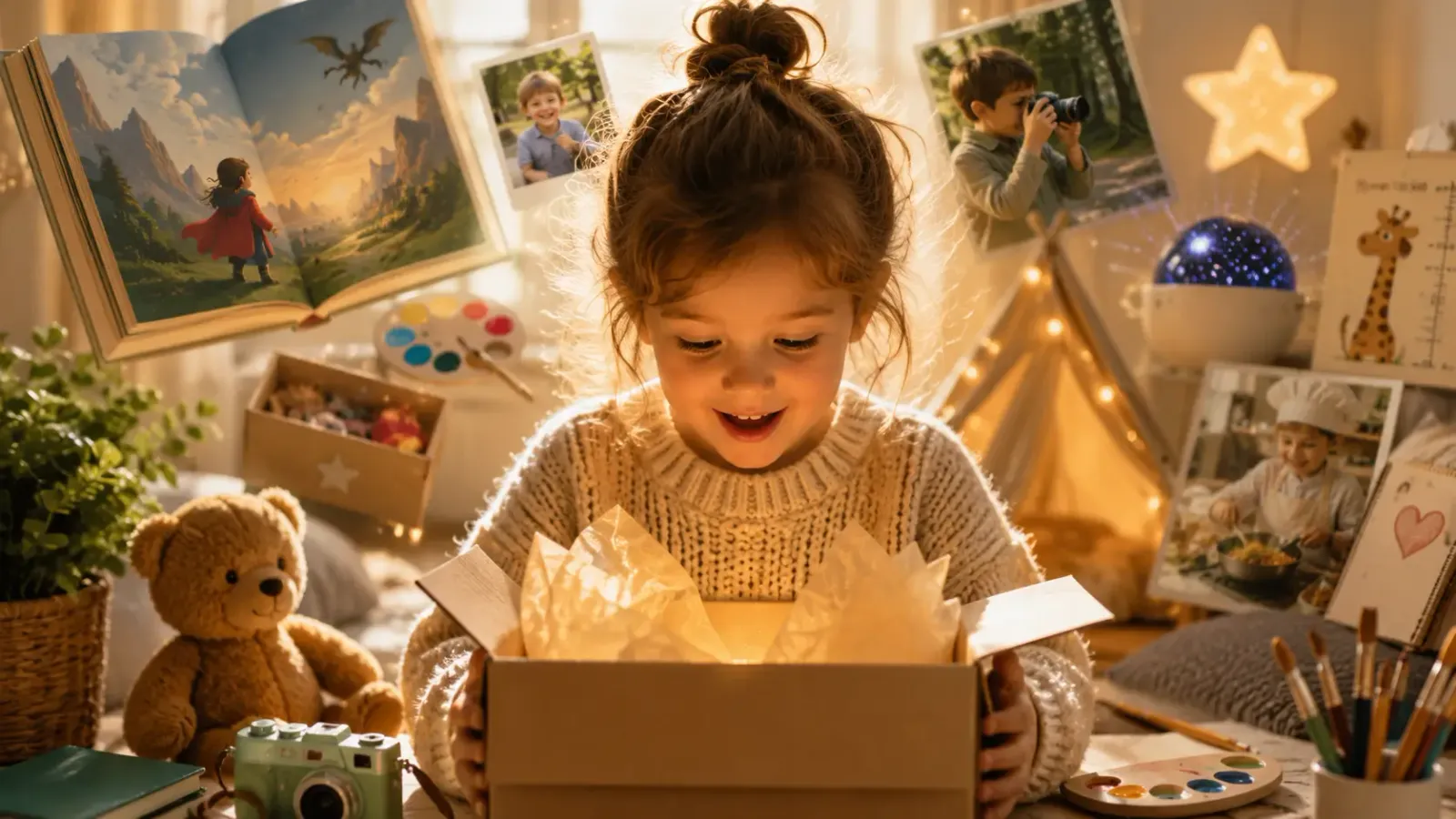
Reading aloud has always ranked among the best ways to nurture a child's language skills. But the way kids experience stories these days is shifting fast. Traditional fairy tales used to dominate story time, yet more and more parents are now turning to personalized children's books that cast their own child as the hero.
BooklyDoo brings together technology, creativity and education in a way that makes reading feel personal and engaging. So what's actually behind its effectiveness when it comes to language development?
Why early childhood is key to language development
Children don't pick up language purely from classroom lessons. The groundwork is actually laid much earlier, in those first formative years of life. Talking with them, letting them listen, and reading aloud together all help children build:
- vocabulary
- grammar,
- listening skills
- concentration,
- and comprehension skills.
Kids whose parents read to them often end up hearing thousands of additional words each week—and over time, that difference shows up in how well they do in school and how confidently they communicate.
Why personalization matters
A standard story can be entertaining, but one in which a child sees a piece of themselves tends to land with far more impact.
When a child:
- hears someone call his name,
- sees themselves represented in the illustrations,
- recognizes the face of a familiar pet
The story instantly feels more relevant.
This keeps kids more engaged as they listen. They pay closer attention, ask more questions, and hold onto new words longer.
Make story time more interactive
When stories are personalized, kids dive in more readily—seeing themselves woven into the adventure makes them actually respond to what's happening, not just watch it unfold.
For instance:
- "That's me!"
- "My dog's in there too!"
- "I'd be scared of that too!"
That back-and-forth matters enormously for language development. It gives children a chance to practice:
- naming your emotions,
- form sentences,
- understand stories,
- and make connections.
Getting hesitant readers to actually want to pick up a book
Not every child takes to reading right away. Some kids just find books dull, or their attention wanders before they get very far.
A personalized book lowers that barrier. Reading doesn't feel like a chore—it feels like stepping into an adventure where they're the main character.
That makes personalized books especially appealing for:
- young readers,
- children struggling to stay focused,
- for kids who otherwise show little interest in picking up a book.
The role of fantasy
They sharpen their imagination and creative thinking, learn to make sense of cause and effect, and build the kind of emotional vocabulary that helps them understand both their own feelings and other people's.
- they stretch the limits of their imagination,
- they develop problem-solving skills,
- and they grow more empathetic.
BooklyDoo leans on personal storytelling to give that imagination even more room to grow. When a child sees themselves cast as a knight, an astronaut, or an explorer, the story suddenly hits home in a way it otherwise wouldn't.
Digital reading versus print books
Screens are just part of growing up now. Technology certainly has its upsides, but all those quick-cut, fast-moving videos kids watch don't do much to help them sit still and focus for long stretches.
Reading aloud offers exactly that:
- rest,
- attention
- and connection.
A physical book demands focus and encourages active engagement in a way screens rarely do. Personalized books bring together the best of both approaches:
- modern technology,
- and the quiet satisfaction of reading the old-fashioned way.
Feeling emotionally safe while you read
Stories don't just teach children language—they also help them make sense of emotions.
In personalized stories, kids see themselves facing situations that are exciting, funny, or sometimes tough. This helps them learn to put a name to feelings such as:
- joy
- fear,
- pride
- curiosity
- sadness.
That nurtures social-emotional growth while sharpening communication skills.
Why repetition matters
Plenty of parents reach their limit reading the same book night after night at bedtime. But that repetition, as maddening as it feels, is exactly what makes learning stick.
Hearing a story told to them over and over, children tend to:
- they're quicker to recognize words,
- they develop a stronger grasp of sentence structure,
- and it boosts their confidence.
Because kids see themselves in the story, personalized books tend to get read again and again.
Reading aloud together as a bonding ritual
Reading aloud, when you get down to it, is really about connection more than anything else.
A quiet moment together:
- without a phone,
- without television
- without distraction,
is worth more than ever before.
BooklyDoo isn't just about reading — it's about those quiet, personal moments it creates between parent and child.
Conclusion
Personalized children's books are far more than just a passing fad. They turn reading into something more intimate, interactive, and motivating—which is exactly why they can play such a valuable role in:
- language development,
- fantasy,
- self-confidence
- and emotional growth.
In an age where kids are bombarded with digital stimulation from every direction, platforms like BooklyDoo show that technology doesn't have to be the enemy of reading—it can actually help make books feel special and meaningful again.